Chocolate may be linked to a lower risk of developing atrial fibrillation
Atrial fibrillation refers to an irregular heart rhythm
The link was strongest when women consumed one weekly serving
Here's some respite for all the chocolate lovers. According to a new study, published in the journal Heart, chocolate may be good for your heart. Picture this: Somebody asks you to eat chocolates because they are healthy! Surprising, won't it be? Who doesn't love chocolates? But we're often guilty of gorging on the bar of silky, smooth treat fearing weight gain and consumption of excess sugar. Not anymore! A team of researchers from Harvard TH Chan School of Public Health and the Duke University Medical Centre havefound that moderate consumption of chocolate may be linked to a lower risk of developing atrial fibrillation (AF). Read on to know how chocolates will lower the risk of heart flutter.
Atrial fibrillation refers to an irregular heart rhythm, often characterized by rapid heart rate and can cause poor blood flow that can lead to stroke, brain failure and can even become fatal if untreated. The most common symptoms of atrial fibrillation include heart palpitations, fatigue and shortness of breath or breathlessness. In the last few years, chocolates, especially the dark variety, has earned some praises due to the presence of antioxidants such as flavonoids and polyphenols that make it heart-friendly.
For the study, the team analysed data from more than 55,000 participants, aged between 50 and 64, from the population-based Danish Diet, Cancer and Health Study. The participants were allowed to consumption a certain amount of chocolate every week where one serving was classified as 30 grams. They were not asked to specify which type of chocolate they ate.At the start of the trial, all information on heart disease risk factors, diet, and lifestyle was obtained from the participants.
Their health was monitored with the help of the national registry data on episodes of hospital treatment and deaths during the period of 13 years. It was noted that 3346 new cases of atrial fibrillation were diagnosed.
The results showed that the rate of AF was lower for people who consumed chocolate regularly, when compared with individuals whose chocolate intake was less than one 30 gram serving per month. The results were similar for men and women but the amount of chocolate consumed varied. The positive impact was the strongest when women consumed one weekly serving of chocolate and when men consumed two to six servings of chocolate.
It was seen that the newly diagnosed atrial fibrillation rate was 10 per cent lower for 1-3 servings of chocolate in a month after taking into consideration all factors of heart disease. Further, the risk of AF was 17 per cent lower when one weekly serving of chocolate was consumed, 20 per cent lower for two to six weekly servings and 14 per cent lower for one or more daily servings. While the team could not confirm the real cause of the association, they do suggest that dark chocolate can be a healthy snacking option.
Benefits of Dark Chocolate
Dark chocolate is now being regarded as the new superfood. Raw, processed cocoa beans have exceptionally high antioxidant properties and dark chocolate comes really close it. Dark chocolate is made from raw cocoa beans which are a rich source of antioxidants like flavanols. These flavanols impart the bitter taste to dark chocolate and not just that, they work against the free radicals in the body which can cause disease.Dark chocolate also has high concentration of an alkaloid called theobromine which has stimulant properties and relaxing effects. It can dilate the blood vessels and lower your blood pressure. And it this wasn't enough, dark chocolate is also good for your brain. Another 2013 study published in the journal Neurology found that eating dark chocolate daily (in moderate amounts) can boost your memory by almost 30% and also up your problem solving skills.
Lastly, if you're worried about your weight, you shouldn't be! Dark chocolate has a high satiety value and therefore, it curbs cravings. It is also rich in MUFA'S (monounsaturated fatty acids) that are known to boost your metabolism and burn fat.
Nuts are great. Not only do they make for a crunchy and filling snack to chomp on between meals, they are also known to boost weight loss, brain power and heart health. These tiny wonders are rich sources of protein, fiber and several antioxidants and anti-inflammatory compounds. Most nuts contain Vitamin E, B2, folate and essential minerals like magnesium, potassium, phosphorus, copper and selenium. Some people may refrain from chomping on these healthy nuts thinking that they are high on calories but Consultant Nutritionist Dr. Rupali Datta clears the air. "Although nuts are fat dense, but have a very healthy lipid profile which is protective to our heart and health. Most fats in nuts are healthy monounsaturated fat and omega-3 fats," she says.
According to a study conducted by Harvard's T.H. Chan, School of Public Health, people who regularly eat nuts are less likely to have heart attacks or die from heart disease than those who rarely eat them. Here are five nuts that you must eat every day for a strong and healthy heart.
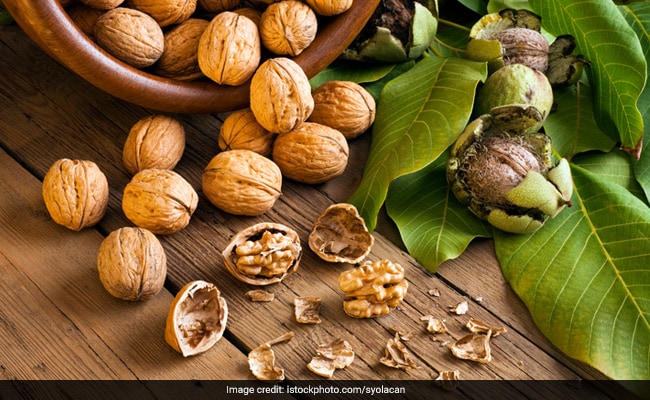
1. Walnuts: As a kid, your mother may have convinced you to eat these woody nuts daily for better memory and brain power. Turns out that walnut may be good for your heart too. It is probably the best nut for your heart health. The unsaturated fat found in walnuts - omega-3 fatty acids may help in preventing the development of erratic heart rhythms. Omega-3 fatty acids may also prevent blood clots. Moreover, walnut kernels are known to contain double the amount of antioxidant content than other nuts.
Walnuts are rich in Omega-3 fatty acids.
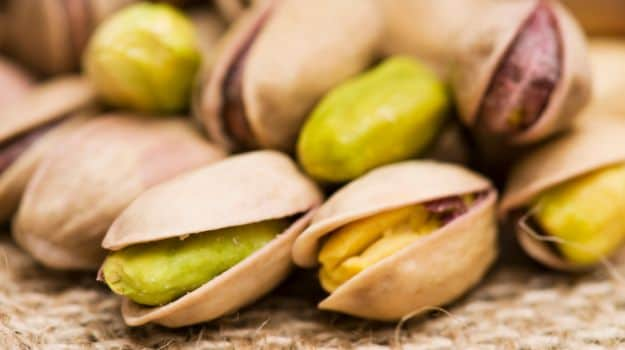
2. Pistachios: A study carried out by Diabetes Foundation of India (DFI) and the National Diabetes, Obesity and Cholesterol Foundation shows that pistachios have beneficial effects on glycemic and lipid parameters. Pistachios have a low glycemic index, are naturally cholesterol free, and are good sources of protein, fibre and antioxidants. These qualities make them great for preventing the risk of obesity and heart disease.
Pistachios have a low glycemic index
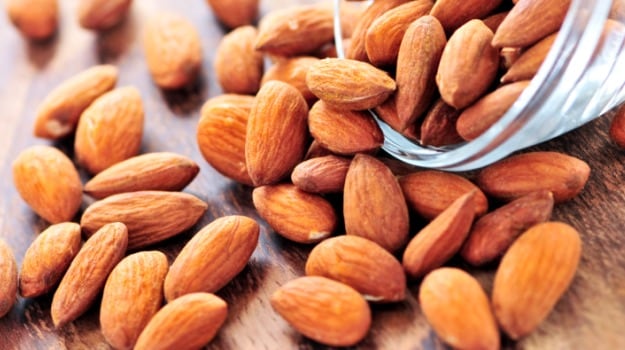
3. Almonds: Almond is one healthy nutty delight. Regular consumption of almonds has been linked to lowering LDL (bad) cholesterol levels in innumerable studies. They are rich in monounsaturated fats, fibre, phytosterols, plant protein, tocopherol, arginine, magnesium, copper, manganese, calcium, and potassium makes them heart protective. Arginine, found in almonds, is a type of an amino acid that is required to make a molecule called nitric oxide which is known to relax constricted blood vessels and ease the flow of blood.
Regular consumption of almonds has been linked to lower bad cholesterol levels. Photo Credit: Istock
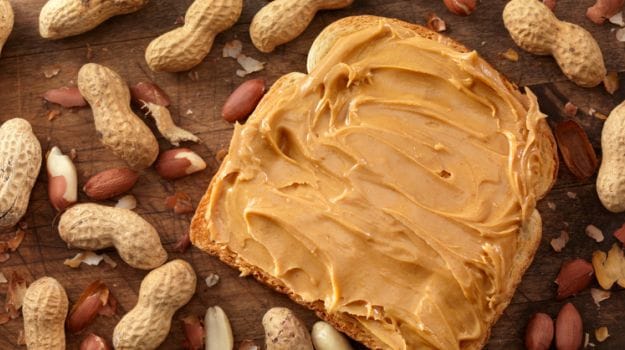
4. Peanuts: Peanuts contain a powerful antioxidant called resveratrol which is found in its skin and is known for its heart protective activity. Switching to peanut butter could be a healthier and protein-rich alternative to processed butter that is full of sodium. Through them in salads and stuff them with the filling in wraps or sandwiches.
Peanuts contain a powerful antioxidant called resveratrol. Photo Credit: Istock
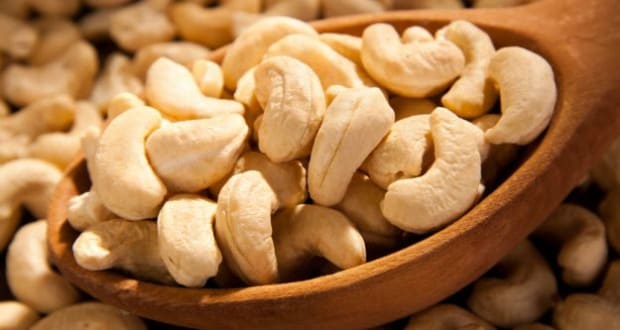
5. Cashew Nuts: Cashew nuts are rich in Vitamin E that may help in inhibiting the formation of plaque in your arteries allowing the blood to flow through them smoothly. Development of plaque in the arteries is one of the most common causes of coronary heart disease and heart attack. Sprinkle some cashews on your breakfast cereal or even on stir-fries for lunch.
Cashew nuts are rich in Vitamin E. Photo Credit: Istock
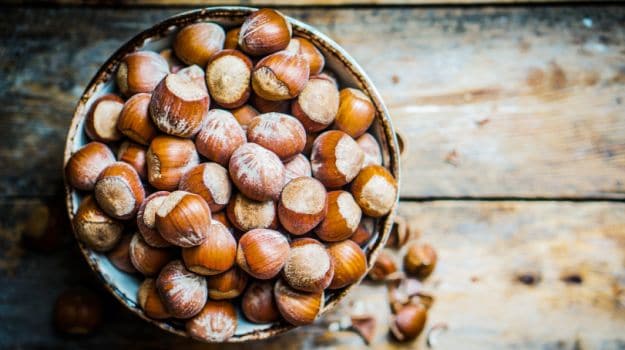
6. Hazelnuts: These buttery nuts are full of protein and fiber. They are rich in potassium, calcium and magnesium - minerals that help in regulating healthy blood pressure. They are also rich in heart healthy oleic acid which is known to lower bad cholesterol levels and raise good cholesterol levels.
Hazelnut contains minerals that help in regulating healthy blood pressure. Photo Credit: Istock
Given that a lot of scientific studies have validated the fact nuts are good for you heart and overall health, the US Food and Drug Association recommends the consumption of an ounce or 30 grams of mixed nuts daily.
Highlights People who live near sources of heavy traffic exhaust are at health risk Fine particles in this type of pollution lower levels of good cholesterol Good HDL cholesterol is required in the body for various functions There seems to be no escape from pollution; it's getting only worse every year. The urban population is most effected as they constantly need to deal with heavy traffic exhaust, among other factors. As such, the number of pollution related health problems are also spiking up alarmingly across the globe. According to a new done by Griffith Bell of the University of Washington School of Public Health in St. Louis, US, people who live in polluted areas, near sources of heavy traffic exhaust, may be at higher risk of heart disease because the fine particles in this type of pollution lower levels of "good" cholesterol needed for healthy blood flow, as reported by Reuters.
Cholesterol is divided into 'the good' HDL cholesterol, 'the bad' LDL cholesterol and 'the ugly' cholesterol. If the levels of normal fat and triglycerides in the blood are high, then the levels of ugly cholesterol are also high. Good HDL cholesterol is required in the body because they not only work against bad cholesterol, but also keeps a check on heart health by lowering levels of triglycerides which are dangerous, plaque causing fats. The researchers studied 6,654 adults and found people exposed to higher levels of fine and ultrafine particles in traffic pollution tended to have lower levels of HDL cholesterol in their blood.
"However, this was a fairly small effect - it wasn't a dramatic lowering of HDL - so I don't think this is a huge cause for alarm beyond what we already know about the dangers of air pollution," said lead study author Griffith Bell.
How to Manage Cholesterol Apart from external factors like pollution, your diet can help in a big way to manage your cholesterol. Here are some tips -
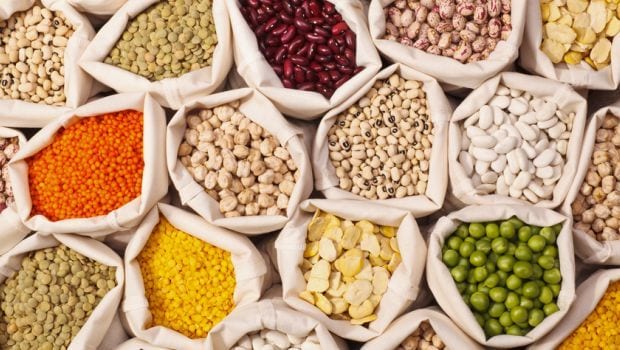
1. Eat Beans and Pulses According to a study, eating one serving a day of beans, peas or lentils can significantly reduce "bad cholesterol" and therefore the risk of cardiovascular disease. Eating one serving a day of pulses, people can lower LDL ('bad') cholesterol by five percent. Pulses have a low glycemic index (foods that break down slowly) and tend to reduce or displace animal protein as well as "bad" fats such as trans fat in a dish or meal.
2. Strawberries Strawberries can dramatically reduce the levels of bad cholesterol and triglycerides, reveals a research study. A few volunteers were asked to consume half a kilo of strawberries a day for a month to see whether it altered their blood parameters in any way. By the end of the month, their levels of bad cholesterol and triglycerides had reduced significantly, according to the analyses conducted by Italian and Spanish scientists. Strawberries are known for their bioactive compounds or antioxidants that keep a check on cardiovascular diseases.
3. Say Goodbye to Sugary Drinks Reducing the intake of sugary drinks by one serving a week for an year can increase "good" cholesterol levels in children, a new study done by researchers from Tufts University. The results also showed that a higher intake of sugary drinks was associated with a higher triglyceride concentration in lipid profile. A clustering of risk factors including high triglycerides, low good cholesterol, insulin resistance and obesity - especially if begun in childhood - puts one at higher risk for future cardiovascular disease," warned Maria Van Rompay, research associate at the Friedman School of Nutrition Science and Policy at Tufts University.
"The increase in good cholesterol was greatest among children who decreased their intake by one or more servings of SSBs per week compared to those whose intake stayed the same or increased."
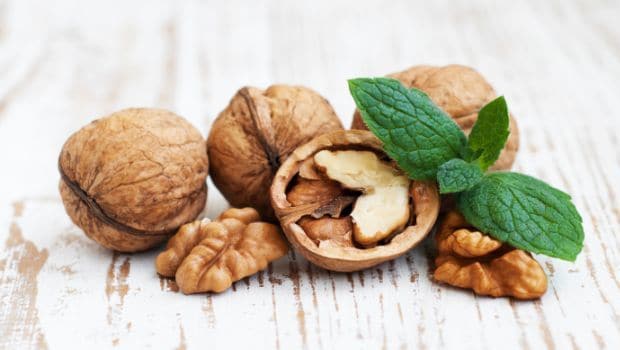
4. Walnuts Eating a walnut-rich diet can be effective in losing weight and improving cholesterol level, finds a study done by University of California. The research also showed that a diet containing walnuts, which primarily comprise polyunsaturated fats, positively impacts heart health markers.
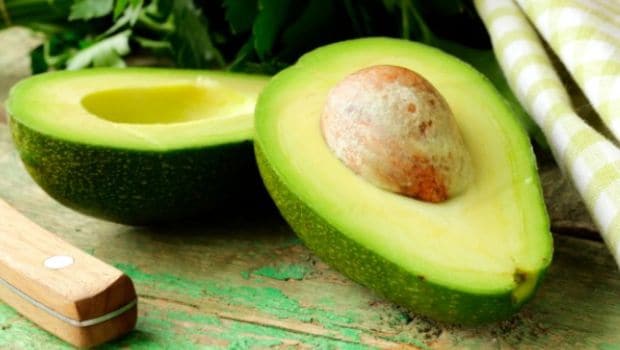
5. Avocado
Eating fresh avocados every day can significantly change lipid profiles and improve cholesterol levels, revealed a study conducted at the University of the Pacific at Stockton in California. According to the findings, the use of avocados in lieu of solid fats and foods that have higher saturated fat content, significantly change lipid profiles.
"Fresh avocado, as part of a balanced diet and as a cholesterol-free substitute for solid fats can help be part of the solution for maintaining normal cholesterol levels," said Nikki Ford, PhD, director of nutrition from Hass Avocado Board in the US.
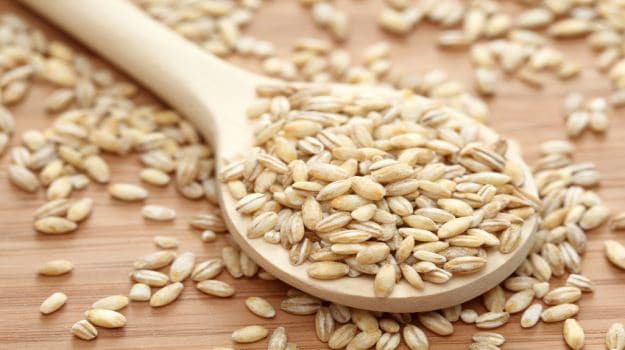
6. Barley Barley is high in fibre, has twice the protein and almost half the calories of oats as well as an important consideration for people with weight or dietary concerns. According to a new study conducted by St Michael's Hospital in Canada consuming barley as food or in food recipes can significantly reduce the levels of "bad cholesterol" that are associated with heart disease risk, suggesting that barley has similar cholesterol-lowering effects as oats. Barley has a lowering effect on the total bad cholesterol in high-risk individuals, but can also benefit people without high cholesterol. High cholesterol and diabetes are the major risk factors for heart disease and stroke.
7. Red Wine Drinking red wine can ward-off cholesterol build-up resulting from eating red meat, say scientists. Harmful compounds from red meat form in the bloodstream, creating "bad" cholesterol that damages blood vessels and heightens cardiac risks. However, antioxidants in wine, known as polyphenols, prevent these compounds from being absorbed into the bloodstream where they can cause harm. Therefore, including polyphenol rich products as an integral part of the meal may significantly diminish these harmful effects.
8. Unsaturated Fats
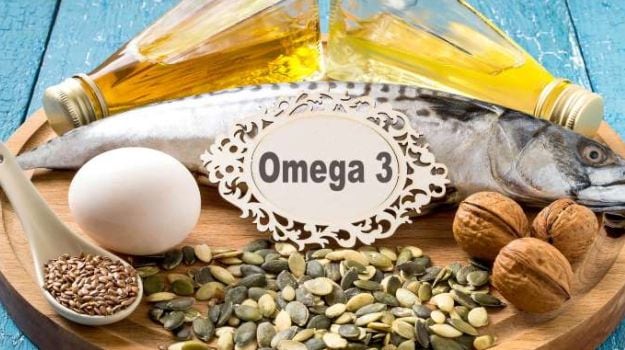
Consuming omega-3 essential fatty acids, found in unsaturated fats, help to lower the levels of bad cholesterol in the blood. Unsaturated fats include oily fish, nuts and seeds, ground flax seeds, olive oil and certain vegetables and fruits.
9. Pistachios Nuts (mainly pistachios, almonds and walnuts) have been shown to have beneficial effects on glycemic and lipid parameters. Pistachios have a low glycemic index, are naturally cholesterol free, and are source of protein, fibre and antioxidants. These properties make consumption of pistachios potentially useful for those at risk for obesity and heart disease.
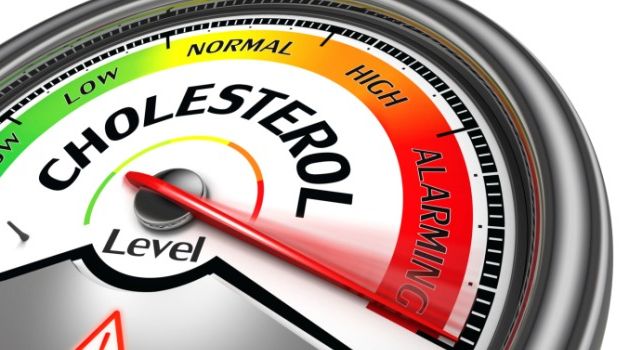
An adequate level of 'good cholesterol' is as essential as avoiding bad cholesterol to keep away from heart ailments and other diseases. Not having enough good cholesterol may prove bad for health. So it's important to pay attention to managing your cholesterol levels.




 8. Unsaturated Fats